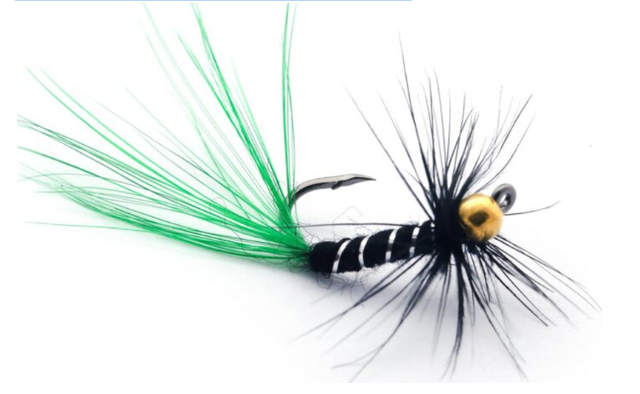
Fishing is a rewarding outdoor activity that requires patience, skill, and the right equipment. One of the most important choices anglers make is selecting the right type of fly. The success of a fishing trip often depends on how well the chosen fly matches the fishing environment, target species, and personal technique. Understanding different options can help beginners and experienced anglers improve their results and enjoy a more productive experience.
Understanding Your Fishing Style and Approach
Every angler has a unique fishing style, and this plays a major role in choosing suitable equipment. Some people prefer calm river fishing, while others enjoy exploring lakes, streams, or coastal waters. The type of water, weather conditions, and movement of fish all influence the selection process.
For anglers who enjoy active fishing, flies that imitate insects and small creatures can be effective because they attract fish through natural movement. Those who prefer a slower approach may benefit from options designed to stay in one area longer and create a realistic presentation. Choosing fishing flies that match your preferred technique allows you to feel more confident and improve your overall performance.
Consider the Type of Fish You Want to Catch
The target fish species should always be considered before selecting a fly. Different fish are attracted to different types of food sources, so the fly should resemble what they naturally eat. Trout, bass, salmon, and other species each have unique feeding habits that influence the best choice.
For example, some fish respond well to flies that look like insects found near the water, while others may be attracted to patterns that resemble small fish or aquatic creatures. Researching the feeding habits of your target species can make it easier to choose the right option and increase your chances of success.
Match Your Fly Selection to the Fishing Environment
The fishing location has a strong impact on which fly will work best. Rivers with fast-moving water may require flies that can stay visible and move naturally with the current. Lakes and ponds may require different designs that imitate local food sources and attract fish in deeper areas.
Seasonal changes also affect fish behavior. During warmer months, insects may be more active, making insect-inspired flies a good choice. In colder seasons, fish may respond differently and require a more carefully selected approach. Paying attention to local conditions helps anglers make smarter decisions.
Choose Flies Based on Your Fishing Goals
Your fishing goals should guide your selection process. Some anglers want to catch larger fish, while others focus on improving their skills or enjoying a relaxing day outdoors. Beginners may prefer versatile options that work in different situations, while experienced anglers often choose specialized flies for specific conditions.
Quality and durability are also important factors. Well-made fishing flies can provide better movement in the water and last longer through repeated use. Having a variety of options available allows anglers to adjust their strategy when conditions change.
Conclusion
Choosing the right fishing flies requires understanding your fishing style, target species, environment, and personal goals. By considering these factors, anglers can make better choices and create more successful fishing experiences. Whether you are a beginner learning the basics or an experienced fisherman improving your technique, selecting the right fly can make every trip more enjoyable and rewarding.