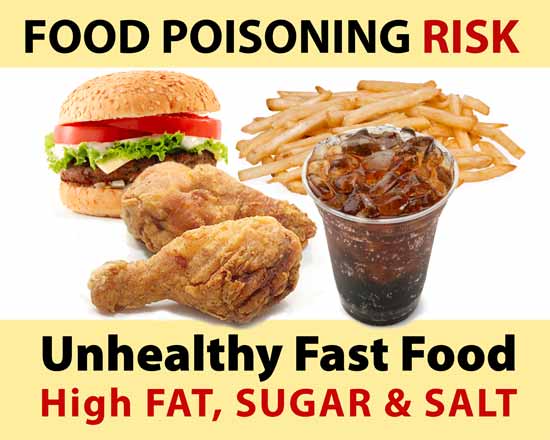
Food has a big impact on both people’s health and the environment. Food poisoning is an example of the dangers of not handling food properly, and junk food shows how modern eating habits are driven by taste and convenience. The food web also shows how food links all living things in nature through complicated ecological relationships.
When you put these three ideas together, you get a big picture of food safety, nutrition, and keeping the ecosystem in balance. This article talks about food poisoning, junk food, and the food web in a straightforward, professional, and instructive way.
Getting to Know Food Poisoning
Eating or drinking contaminated food or drinks can give you food poisoning, which is a common health problem. When food has bad bacteria, viruses, parasites, or toxins in it, this happens.
meal poisoning can cause a range of symptoms, from minor discomfort to serious sickness, depending on where the meal came from and how healthy the person is.
What Makes Food Poisoning Happen
Not handling food properly, not cooking it enough, or not storing it properly can all lead to food illness. Contamination can happen at any point, from making something to eating it.
Unsafe water, dirty preparation surfaces, and mixing raw and cooked foods are some of the main causes.
Signs of Food Poisoning That Are Common
Common signs are nausea, vomiting, diarrhea, stomach cramps, and a fever. These signs may show up within hours or days of eating food that was tainted.
Food poisoning can cause dehydration and need medical care in serious situations.
Food Poisoning and Groups at Risk
Food poisoning is more likely to happen to kids, old adults, pregnant women, and persons with weak immune systems.
For some groups, even a small amount of pollution can cause major health problems.
How to avoid getting sick from food
To avoid getting sick from food, you need to keep your kitchen clean, cook food safely, and store food properly. It’s important to wash your hands, use clean utensils, and cook food all the way through.
Eating fresh food and staying away from old or poorly stored foods greatly lowers the risk.
The Importance of Knowing About Food Safety
People can make better decisions when they know about food safety. Knowing how to read labels, store food, and keep things clean can help you avoid getting sick from food.
Education is a big part in lowering the number of people who get food poisoning.
Getting to Know Junk Food
Junk food is food that has been heavily processed and is heavy in calories, sugar, salt, and harmful fats but low in important nutrients.
These meals are made to taste good and be easy to eat, not to be healthy.
Why People Like Junk Food
People eat a lot of junk food because it is cheap, easy to find, and heavily advertised. Its popularity is due in part to busy lives and the growth of cities.
Many people choose junk food because it tastes good and is easy to create.
The Effects of Junk Food on Nutrition
Eating junk food on a regular basis can cause you to not get enough nutrients. It gives you energy, but it doesn’t have the vitamins, minerals, and fiber you need to stay healthy.
Eating junk food for a long time can hurt your metabolism and immune system.
Diseases of Lifestyle and Junk Food
Eating too much junk food can lead to obesity, diabetes, heart disease, and high blood pressure.
Eating a lot of sugar and fat can make you gain weight and put your health at danger in the long run.
Kids and Junk Food
Kids are especially affected by ads for unhealthy food. Early exposure can lead to bad eating patterns that last throughout adulthood.
Limiting junk food and promoting balanced meals facilitates healthy growth and development.
The Effects of Junk Food on Mental Health
The quality of your diet has an effect on your mental health. Eating a lot of junk food can make you tired, make it hard to focus, and change your mood.
Eating healthy foods helps the brain work and keeps you stable emotionally.
Cutting Back on Junk Food
You don’t have to stop eating junk food completely to cut back on it. Making informed choices and being moderate might help you stay balanced.
Eating healthier foods instead of junk food makes your diet better overall.
Getting to Know the Food Web
The food web is made up of many food chains that are connected to each other in an ecosystem. It depicts how nutrients and energy move from one living thing to another.
A food web shows how complicated feeding linkages are in nature, unlike a single food chain.
People who make things in the Food Web
The food web is built on producers. These are plants and other living things that make their own food from sunshine.
They give energy to all the other living things in the ecosystem.
People who eat in the Food Web
People who eat depend on producers or other people who eat for food. Herbivores, carnivores, and omnivores are at different levels in the food web.
People are part of food webs by farming, fishing, and eating.
Decomposers in the Food Web
Decomposers turn dead plants and animals into simpler things. This mechanism puts nutrients back into the environment.
Ecosystems would collect trash and lose their ability to grow without decomposers.
The Food Web’s Importance
The food web keeps the environment in balance. Every creature has a part to play in keeping the number of people and the flow of nutrients in check.
Changes to the food chain can make the environment unstable.
How people affect the food web
Pollution, overfishing, and destroying habitats are all things that people do that disrupt food webs. These acts can kill off species and throw off the ecological balance.
Sustainable practices help keep food webs and biodiversity safe.
The Link Between Junk Food and the Food Web
The making of junk food often depends on farming and industrial activities that have an effect on natural food webs.
Farming and processing on a large scale can harm ecosystems and lower biodiversity.
The Food Web and Food Safety
Food safety is connected to the health of food webs. Toxins can get into the food supply from contaminated water, soil, or living things.
Taking care of ecosystems lowers the chance of getting sick from food.
Junk Food and Food Poisoning
If you don’t handle or store junk food properly, it can make you sick. Processed goods that have extended supply networks are more likely to get contaminated.
In mass food manufacturing, it is very important to keep things clean and check for quality.
The Environmental Costs of Junk Food
Making junk food creates a lot of trash and pollution. The environment is affected by garbage from packaging and operations that use a lot of resources.
These things have an indirect effect on ecological systems and food webs.
Encouraging Better and Safer Food Choices
Eating fresh, minimally processed foods lowers the risk of food illness and makes you healthier.
Eating healthy foods is good for both your health and the health of the planet.
The Importance of Education in Food Awareness
People can make smart choices when they learn about food poisoning, junk food, and food webs.
Awareness connects taking care of your own health with taking care of the environment.
Food Systems and Public Health
Public health programs try to lower the number of food poisoning cases and get people to eat better.
Stronger food safety rules and teaching people about nutrition make the population healthier.
Ecosystem protection and sustainable diets
Whole foods and responsible sourcing are important parts of sustainable diets. These diets take some of the stress off of food webs and ecosystems.
Taking care of the environment while eating well makes sure that food will always be available.
What the Future Holds for Food and Health
Food systems of the future must take safety, nutrition, and sustainability into account all at once.
Healthier food environments will be shaped by new ideas, government backing, and people becoming mindful of what they eat.
Conclusion
Food poisoning, junk food, and the food web are all parts of modern food systems that are tied to one other. Food poisoning shows how important safety and cleanliness are, junk food shows how people’s eating habits are changing, and the food web shows how all food sources are connected in the environment.
Knowing how these things are connected makes people more likely to make healthy choices, handle food safely, and care more about the natural systems that support life.