The fashion business in India is one of the fastest-growing parts of the country’s economy. Fashion Factory, Filatex Fashion share, and Grabizz Fashion Private Limited are three different but related parts of this ecosystem: large-scale fashion retail, textile production that is listed on the stock market, and new private fashion businesses.
Together, they show that fashion in India is no longer just about clothes and design. It now involves organized retail, capital markets, making things more efficient, branding, and going digital. This post gives a professional, blog-ready explanation of these three things and talks about how they affect the fashion business today.
A look into the Indian fashion industry
India’s fashion industry makes clothes using both traditional materials and modern methods. It sustains millions of employment and is a big part of both exports and domestic consumption.
Urbanization, higher disposable income, and changing lifestyle choices have all led to a steady demand for affordable and branded apparel.
The role of organized fashion retail
Organized fashion retail has changed the way people buy clothes. Big box stores, factory outlets, and branded chains are becoming the most popular types of stores in cities and suburbs.
In many places, these businesses have taken the place of unorganized retail by offering consistent prices, a wide range of products, and trust.
What is a Fashion Factory?
Fashion Factory usually means big storefronts or factory-style stores that sell name-brand clothes at lower costs. These retailers specialize on selling a lot of things, clearing out old stock at the end of the season, and offering good prices.
They draw in price-sensitive customers without hurting the brand’s appeal.
Fashion Factory Retail’s Business Model
The Fashion Factory concept works by buying a lot of items at once and quickly selling them. We get products directly from the people who make them or own the brand, which cuts down on prices for middlemen.
This lower cost lets you set competitive prices and get more people to come in.
Who the target audience is and how far the market reaches
Fashion Factory outlets are for middle-class families, young people, and people with lower incomes who want branded clothes at low prices.
Their presence in malls and other busy places makes them easier to get to and see.
The Fashion Factory Model Has Its Benefits
The key benefits include lower prices, a wider range of options, and always being available. Customers can buy branded clothes without paying a lot for them.
Fashion Factory shops let businesses get rid of extra stock quickly.
Problems that Fashion Factory Retail has to deal with
Some of the biggest problems include keeping track of inventory, keeping up the perception of quality, and competing with online savings.
To keep growing over the long run, stores need to find a balance between price and brand image.
Filatex Fashion: An Introduction
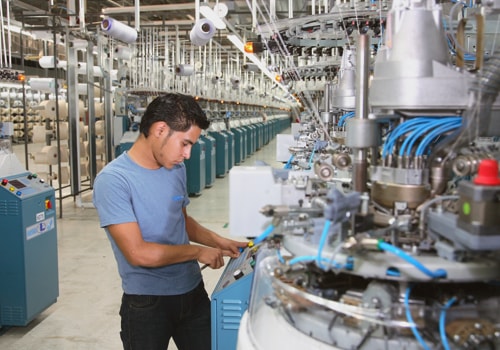
Filatex Fashion is a part of India’s larger textile and clothing manufacturing sector. Businesses in this area make clothes, textiles, and other fashion-related items for both the home and foreign markets.
Filatex Fashion is the backbone of the fashion industry that makes clothes for stores.
Filatex Fashion Stock Price
The Filatex Fashion share price shows that investors trust the company’s ability to make money, grow, and run its business well.
Textile demand, raw material pricing, and export trends all have an effect on stock performance.
Things that affect the price of Filatex Fashion shares
Important considerations are growth in sales, profit, operational efficiency, and demand for textiles around the world. Changes in currency and government policies also matter.
How investors feel about the textile sector has a direct effect on the value of shares.
Combining Fashion and Textile Manufacturing
Filatex Fashion and other manufacturers fill the gap between raw textiles and completed clothing. Their long-term prosperity depends on how well they can keep up with fashion trends.
Improving the quality of fabrics and the speed of production gives a company an edge over its competitors.
Investment Viewpoint on Fashion Stocks
Investors that want to benefit from consumer growth like fashion and textile stocks. But they are cyclical and depend on how the economy is doing.
Before you invest, you need to know the basics.
Risk Factors for Stocks in the Fashion Industry
There are dangers since cotton prices can fluctuate quickly, there is competition around the world, and rules can change. Fashion trends vary quickly, which makes it hard to predict demand.
To keep making money, you need to handle risks well.
A look at Grabizz Fashion Private Limited
Grabizz Fashion Private Limited is a new kind of private fashion business. These kinds of businesses frequently focus on branding, niche markets, or digital-first methods.
They show the business aspect of India’s fashion industry.
Fashion Companies and New Ideas
Fashion enterprises that are not public are more adaptable than big businesses. They may swiftly change their designs, try out new ones, and focus on certain groups of customers.
This flexibility is what stimulates new ideas in the sector.
Grabizz Fashion Private Limited’s Business Plan
Companies like Grabizz Fashion usually focus on saving money, building their brand, and standing out in the market. They may do business through internet platforms, private stores, or wholesale routes.
Strategic positioning determines how they will expand.
Building a Brand in the Fashion Business
In fashion, brand identification is very important. Private companies spend a lot of money on design, creating stories, and making customers happy.
Strong branding makes people loyal and gives you more leverage over prices.
Fashion Marketing and Having a Digital Presence
Digital marketing is very important for fashion businesses today. You may target younger people using social media, working with influencers, and online campaigns.
This method lowers marketing expenses and boosts engagement.
Managing the supply chain and production
Efficient supply chains make sure that deliveries are on time and that the quality is always the same. Fashion companies need to find a balance between speed and keeping costs down.
Better profitability and happier customers come from more efficient operations.
Comparing fashion models for retail, manufacturing, and private use
Fashion Factory is a retail store, Filatex Fashion is a manufacturing company, and Grabizz Fashion Private Limited is a private business. Each one has a different job.
They all work together to make a full fashion value chain.
Creating Jobs in the Fashion Industry
The fashion industry employs a lot of people, from factory workers to designers to store personnel. Growth in the fashion industry directly helps people make a living.
This makes fashion important for the economy in more ways than just how much people like it.
Trends in sustainable and ethical fashion
Sustainability is becoming more and more important. People want businesses to get their resources from responsible sources, treat their workers fairly, and use materials that are good for the environment.
These are the things that fashion brands need to do.
How consumer behavior affects fashion businesses
Design, pricing, and distribution methods are all based on what customers want. Trends change quickly, therefore you need to always come up with new ideas.
To be successful, you need to know how customers act.
The Future of Fashion Retail in India
The future of retail is omnichannel, which combines physical stores with internet stores. Fashion Factory models may change to accommodate digital experiences.
Growth will be based on convenience and customisation.
The future of fashion manufacturing stocks
Filatex Fashion and other fashion manufacturing firms may do well if exports and domestic demand rise. But being efficient and flexible is still very important.
Strategic execution is what makes long-term performance possible.
The growth potential of private fashion businesses
If they expand in the right way, private enterprises like Grabizz Fashion Private Limited have a lot of room to grow. Success will depend on branding, technology, and putting the client first.
They are the future of niche fashion markets.
Conclusion
The phrases Fashion Factory, Filatex Fashion share, and Grabizz Fashion Private Limited all show how diverse India’s fashion business is. Each part of the sector, from big-box stores and listed manufacturers to small, flexible private businesses, makes it stronger.
These models help us understand how fashion works as a business, an investment opportunity, and a cultural force in India’s changing economy.