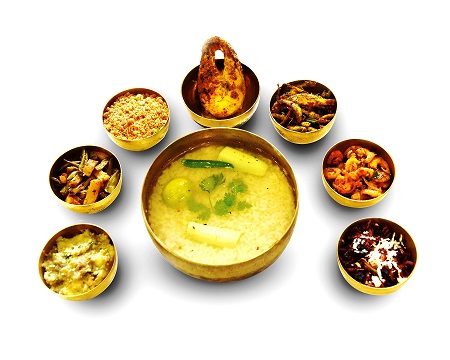
Food in Odisha, the Food Department, and Healthy Food: Tradition, Government, and Nutrition. Odisha’s food, the food department’s work, and the growing understanding of nutritious eating all show how food affects daily living, public health, and social development.
There are no outside references or links in this article, which is a full, professional, and blog-ready discussion of food, regional identity, administration, and nutrition.
Odisha’s Food and Its Cultural Importance
Odisha’s food is very traditional, religious, and based on local farming. People like the food because it has a good mix of flavors, uses seasonal products, and doesn’t use a lot of heavy spices. Rice is the main food, and it is the main part of most meals in both cities and rural places.
Odisha’s food culture is different from other Indian regional cuisines because it is simple, sustainable, and respectful of natural resources.
Common Ingredients in Food from Odisha
Rice is the main food in Odia, along with lentils, vegetables, and greens that are grown nearby. People often use mustard oil because it gives food a unique smell and taste.
In coastal locations, fish and seafood are important, but in interior areas, vegetarian dishes are more common. The focus on fresh, local foods fits nicely with the ideas of healthy eating.
Daily Meals & Traditional Odia Foods
Odisha’s daily meals are healthy and balanced, and they commonly include rice, dal, vegetable curry, and leafy greens. Fermented meals and foods with a little spice help with digestion.
Traditional foods are meant to provide you energy while being kind on your stomach, which is based on hundreds of years of nutritional knowledge.
Food for festivals and temples in Odisha
Temple food is an important part of Odisha’s gastronomic culture. There are severe rules on purity and balance for ritual meals that are made for religious offerings.
These foods focus on using natural ingredients, cooking them with care, and not processing them too much. This strengthens the link between food and health.
Eating habits in Odisha change with the seasons
Food in Odisha is quite seasonal. People have always eaten foods based on the weather and what was available, which helps the body get used to changing weather.
This technique is in line with modern healthy eating guidelines and helps with immunity, digestion, and overall health.
What the Food Department Does
The food department is in charge of making sure that food is safe, of good quality, and distributed fairly. It is very important for getting important food items to people, especially those who are most at risk.
The food department helps keep people safe and healthy by making and enforcing policies.
The Food Department and Public Distribution
One of the most important jobs of the food department is to run the public distribution system. This approach makes sure that basic goods like rice and grains are cheap and easy to find.
This technique is very important for rural and low-income families in places like Odisha.
Control of Food Safety and Quality
The food department is also in charge of making sure that food is safe. This includes keeping an eye on the preparation, storage, and sale of food to make sure it doesn’t get contaminated or mixed with something else.
Making sure that food is safe protects people’s health and develops trust in food systems.
Department of Food and Nutrition
The food department runs nutrition-focused activities to help fight hunger and malnutrition. These programs are aimed at kids, women, and older people.
The food department helps improve long-term health outcomes by making sure that the food supply meets people’s nutritional needs.
The Food Department’s Use of Technology and Modernization
Digital technology have made the food sector more open and efficient. Monitoring based on data helps cut down on waste, leaks, and inefficiencies.
Modern tools also help with improved planning and sharing of food resources.
Problems the Food Department Has to Deal With
Even while things are getting better, the food department still has problems such supply chain problems, climate change affecting farming, and increased demand.
To deal with these problems, people need to work together, come up with new ideas, and get involved in their communities.
The Importance of Healthy Food
Eating healthy foods gives you the vitamins and minerals your body and mind need to be healthy. A balanced diet lowers the risk of long-term ailments and makes life better.
Eating healthy isn’t about cutting back; it’s about getting enough food and keeping things in balance.
Parts of Healthy Food
Whole grains, fresh vegetables, fruits, proteins, and healthy fats are all parts of a balanced diet. Foods that have been minimally processed keep more nutrients and help with digestion.
These things are naturally part of traditional diets, like those in Odisha.
Healthy Eating and Traditional Diets
Many traditional Indian diets are in line with what modern nutrition research says. Odia cuisine is all about balance, controlling portions, and using natural ingredients.
This shows how traditional ways of eating can be good for your health without contemporary supplements.
Food that is good for you and your immune system
Nutrition is very important for how well the immune system works. Foods high in vitamins, minerals, and antioxidants help the body fight off disease.
Eating lentils, fermented foods, and veggies from the area is good for your immune system.
Food that is good for kids and helps them grow
Good nutrition in children helps with growth, brain development, and health for life.
The combination of food department programs and traditional diets helps meet the nutritional needs of young people.
Food that is good for you and an adult lifestyle
Healthy diet helps adults stay energized, get things done, and avoid becoming sick. Balanced meals help with digestion and clear thinking.
Eating healthy foods on a regular basis lowers health care expenditures and lengthens life.
Food that is good for older people
As people get older, their nutritional demands vary. Foods that are easy to digest and high in nutrients become quite important.
Older folks can eat traditional Odia foods, which are frequently light and balanced.
Changing food habits and moving to cities
Living in cities has changed the way people eat, making them more dependent on processed goods.
To fight health problems caused by bad habits, it’s important to encourage healthy eating.
The Healthy Food Awareness and Food Department
The food department helps people eat well by setting rules, running programs, and running awareness campaigns.
Education helps food distribution by encouraging people to make healthier food choices.
Getting healthy food and food security
It’s not enough to just have access to food; it’s also crucial to have access to healthy food.
Food security programs need to put nutritional quality ahead of quantity.
Food in Odisha and Eating in a Way That Lasts
Odisha’s traditional culinary traditions stress sustainability by using local ingredients and consuming foods that are in season.
Food systems that are good for the environment and make sure there will be food in the future are called sustainable food systems.
Farming and Getting Enough Healthy Food
The farm is where healthy food starts. The quality and nutrition of food are affected by how it is grown.
Helping local farmers makes food systems stronger and leads to better health outcomes.
Help for Farmers and the Food Department
The food department helps farmers make a living by organizing buying and selling.
This link between farmers and customers makes the whole food chain stronger.
Climate Change and Food Systems
Climate change has an impact on the amount of food that can be grown, the cost of food, and nutrition.
To keep food security and encourage healthy eating, adaptive techniques are necessary.
Being a part of food systems in the community
Getting people involved in food programs makes them work better. Local feedback helps with targeting and accountability.
Strong communities help food systems stay strong.
Food Literacy and Education
Knowing how to choose healthy foods gives people the power to do so.
Food literacy helps people understand the difference between availability and nutrition.
The Future of Food in Odisha
The future of food in Odisha lies in keeping old ways alive while also welcoming new ones.
Balanced policies can help both modern nutrition demands and cultural heritage.
Combining Tradition, Governance, and Health
The food department in Odisha, the ideas of healthy eating, and the food itself are all related.
They all work together to make a strong and healthy food system.
Conclusion
Food is more than just something to eat; it is culture, government, and health all at once. The food department makes sure that food is safe and easy to get, and healthy eating rules guide modern nutrition.
By combining traditional ways with good management and knowledge about nutrition, society can create food systems that will be good for people’s health, fairness, and the environment for many generations to come.