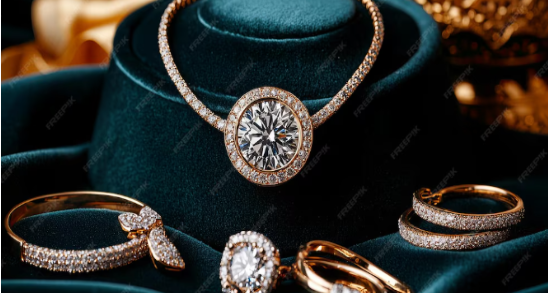
Buying a piece of jewelry is often more than a simple transaction; it is an investment in an heirloom, a celebration of a milestone, or a deeply personal gift. Because high-end items carry significant emotional and financial value, it is essential to approach the market with a discerning eye.
When browsing the various collections of jewelry for sale, understanding the technical specifications and ethical standards of the industry will ensure that your final choice is both beautiful and enduring.
1. Understanding Metal Purity and Hallmarks
The first step in evaluating any piece is identifying the quality of the precious metal used in its construction. Gold, for instance, is measured in karats, with 24k being pure gold and 14k or 18k being more common for durable jewelry due to the addition of alloys.
You should always look for a hallmark or stamp on the inside of a ring or the clasp of a necklace that indicates the metal purity.
This verification is crucial when comparing different sets of jewelry for sale, as it directly impacts the long-term value and skin compatibility of the item.
2. The Importance of Gemstone Certification
When a piece features diamonds or colored gemstones, the price is largely determined by the quality of the stone. For diamonds, the standard evaluation follows the four Cs: cut, color, clarity, and carat weight.
However, professional certification from reputable laboratories provides an unbiased report on these characteristics.
Always ask for these documents when viewing high-value jewelry for sale to ensure that the described quality matches the actual physical properties, protecting you from overpaying for a lower-grade gem.
3. Craftsmanship and Setting Integrity
The beauty of a gemstone is only as secure as the setting that holds it. Examine the prongs, bezels, or channels to ensure they are smooth, symmetrical, and robust. High-quality craftsmanship is visible in the fine details, such as the polishing between the links of a chain or the precision of the engraving.
Poorly made settings can lead to lost stones or snagging on clothing. Inspecting the structural integrity of the jewelry for sale will give you confidence that the piece is designed for regular wear rather than just occasional display.
4. Style Versatility and Personal Aesthetic
Jewelry should complement the lifestyle and existing wardrobe of the wearer. Before making a purchase, consider whether the piece is intended for daily use or special occasions. A classic pair of stud earrings or a simple pendant often provides more versatility than a large statement piece.
Consider the skin tone of the recipient as well; cooler skin tones often look best with silver, white gold, or platinum, while warmer skin tones are beautifully enhanced by yellow gold or rose gold.
5. Ethical Sourcing and Sustainability
In the modern market, the origin of a piece is just as important as its appearance. Responsible buyers look for jewelers who adhere to ethical sourcing practices, such as the Kimberley Process for diamonds, which ensures stones are conflict-free.
Additionally, many people now prefer recycled metals or lab-grown gemstones to minimize environmental impact. Inquiring about supply chain transparency helps ensure that your luxury purchase does not come at a hidden social or environmental cost.